 October 20, 2020
by Camden Douglas
Air
Climate change
Fossil Fuels
Regulations
State and Local
October 20, 2020
by Camden Douglas
Air
Climate change
Fossil Fuels
Regulations
State and Local
On September 23, 2020, California Governor Gavin Newson issued an executive order[1] that is expected to reduce the impact of climate change by drastically transforming the State's transportation industry. California experiences many unique climate change-related problems. For instance, as a result of climate change, the duration of California's wildfire season has more than doubled since 1980.[2] Indeed, this year, California is experiencing a record-breaking burn,[3] with wildfires scorching millions of acres of land.[4] The executive order, in an attempt to attenuate some of these climate change-related impacts on the State, requires all new passenger vehicles sold in California to be zero-emission by 2035, effectively banning the sale of new gasoline-powered vehicles in just fifteen years.[5]
 February 10, 2020
by Molly Green
Air
Climate change
Fossil Fuels
Natural Resources
February 10, 2020
by Molly Green
Air
Climate change
Fossil Fuels
Natural Resources
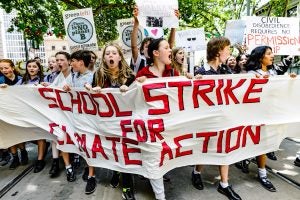
Do children have a right to a government that protects their interest in a sustainable climate? Will Courts give them a chance to voice the urgency of their climate-based claims?
 October 26, 2019
by ustin Holtshouser
Air
Climate change
Endangered Species
Forests
International
Natural Resources
Wildlife
October 26, 2019
by ustin Holtshouser
Air
Climate change
Endangered Species
Forests
International
Natural Resources
Wildlife
With the consequences of forest fires being felt on both local and global levels, more needs to be done to mitigate these events – domestic government action is essential.
 May 16, 2019
by Marly Mentor
Air
May 16, 2019
by Marly Mentor
Air
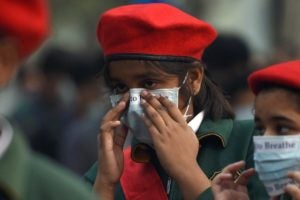
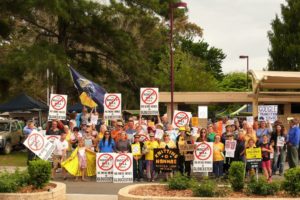
How is air pollution affecting children and what measures can we take to protect them?
 March 22, 2019
by Isabelle Smith
Air
Climate change
Fossil Fuels
International
Litigation
Natural Resources
March 22, 2019
by Isabelle Smith
Air
Climate change
Fossil Fuels
International
Litigation
Natural Resources
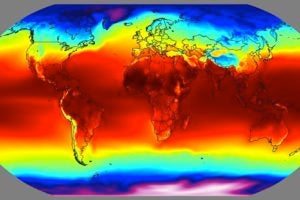
As the global community confronts the reality that a rapid reduction in greenhouse gas (GHG) emissions is urgently required, a new class of climate change litigation is emerging. But what impact are these proceedings having?
 February 28, 2019
by Lynn Phan
Air
Chemicals
Climate change
Fossil Fuels
Litigation
February 28, 2019
by Lynn Phan
Air
Chemicals
Climate change
Fossil Fuels
Litigation
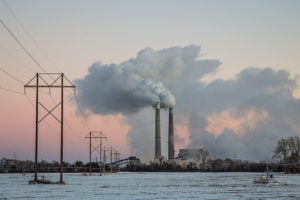
Whenever faced with the decision to declare a “healthful environment” or freedom from harmful contaminants as fundamental rights, federal courts have invariably rejected those claims.
 February 21, 2019
by Kathryn Priester
Air
Energy
Federal Rollbacks
Fossil Fuels
Litigation
Regulations
February 21, 2019
by Kathryn Priester
Air
Energy
Federal Rollbacks
Fossil Fuels
Litigation
Regulations
Environmental groups and the State of California are up in arms over an EPA memo scrapping a decades-old Clean Air Act policy. Will the DC Circuit weigh in on the EPA’s use of “guidance” to drastically shift US regulatory policy?
 February 13, 2019
by Robert Adler
Air
Climate change
Energy
Fossil Fuels
Regulations
Renewable Energy
February 13, 2019
by Robert Adler
Air
Climate change
Energy
Fossil Fuels
Regulations
Renewable Energy
While some companies celebrate the EPA’s deregulation efforts, other companies are starting to understand that economic and environmental efficiencies can run hand-in-hand. The Carbon Disclosure Project helps companies see the connection.
 January 25, 2019
by Rourke Donahue
Air
Climate change
Litigation
January 25, 2019
by Rourke Donahue
Air
Climate change
Litigation
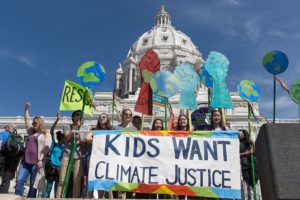
Twenty-one children are suing the federal government over its failure to address climate change. But does the public have a fundamental right to the environment and is climate change an appropriate issue for courts to address?
 October 9, 2018
by Spencer Shweky
Air
Fossil Fuels
Litigation
Regulations
October 9, 2018
by Spencer Shweky
Air
Fossil Fuels
Litigation
Regulations
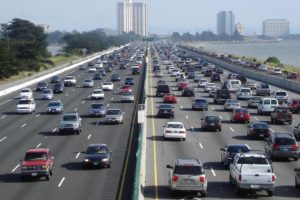
It has now been just over 3 years since the Environmental Protection Agency (“EPA”) first informed the public that Volkswagen, at the time the world's largest automaker, had installed ‘cheat devices’ designed to evade U.S. regulators in hundreds of thousands of their cars. Ultimately, the automaker paid a $2.8 billion criminal fine, and 9 executives and employees were charged with violating the Clean Air Act (“CAA”) and Title 18 of the United States code (the main criminal code of the federal government). Interestingly, though, no one was actually held criminally liable for the pollution itself.