

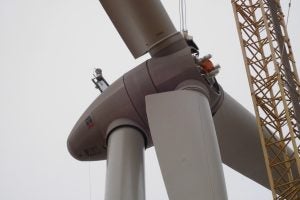
The Two Speeds of NEPA Review at Burgum’s DOI
February 14, 2026 by Giulia Gerard Litigation Renewable EnergyThe Trump Administration is making good on its promise to expedite environmental permitting—unless you’re building wind or solar.
The Trump Administration is making good on its promise to expedite environmental permitting—unless you’re building wind or solar.
Litigation challenging climate superfund statutes in New York and Vermont will continue to unfold in 2026, potentially providing insights to other states considering similar statutes.

A landmark ICJ advisory opinion, driven by Pacific leadership, defines states’ legal duties to address climate change and affirms the existential stakes for small island nations.

Citizen suits have been a powerful engine of environmental enforcement for over half a century. As the bounds of executive power are reimagined, challenges under Article II of the Constitution threaten their viability.
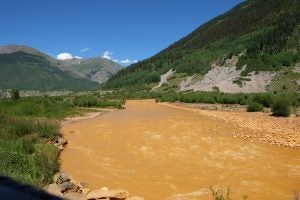
The Supreme Court has assumed the mantle of “expert” decisionmaker—contravening the meaning and intention of the Clean Water Act, overruling decades of precedent, and limiting EPA’s ability to carry out their congressionally assigned and executive-directed duties.
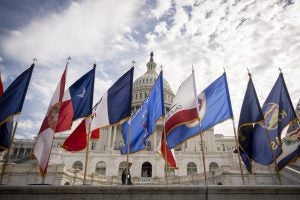
Facing President Trump’s intensified climate rollback, states have emerged as the bulwark—recommitting to emission reductions, suing for constitutional principles, and challenging unprecedented executive overreach.

Though the Supreme Court turned down an opportunity to decide whether state-level climate change lawsuits are preempted by federal law, the justices’ significant and recurring interest in the underlying question as well as the magnitude of what’s at stake for defendants make it likely that the question will return to the Court in the coming years.
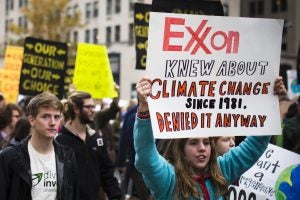
As states continue to sue oil and gas corporations for climate deception, a lone Second Circuit decision raises questions over the fate of these cases as a Trump Administration looms on the horizon.
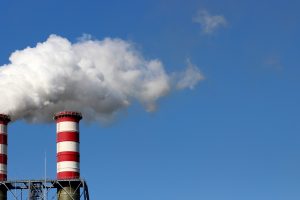
The Supreme Court will resolve a dispute on the proper venue for challenges to EPA’s disapproval of 21 states’ plans for ozone pollution under the Clean Air Act. The case continues the Court’s trend of hearing administrative and environmental law cases, and its outcome will shape the judiciary’s role in federal air pollution policy.
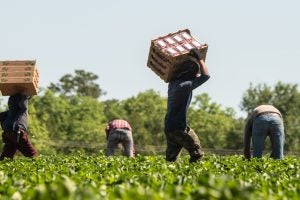
In a case pending before the U.S. District Court for the Southern District of Georgia, seventeen states, a farm owner, and a growers association challenged a final rule recently promulgated by the Department of Labor granting concerted action rights to migrant farmworkers. This challenge is just the latest move in industrial agriculture's 400-year history of farm worker exploitation.