 November 9, 2020
by Hunter Johnston
Air
Chemicals
Regulations
November 9, 2020
by Hunter Johnston
Air
Chemicals
Regulations
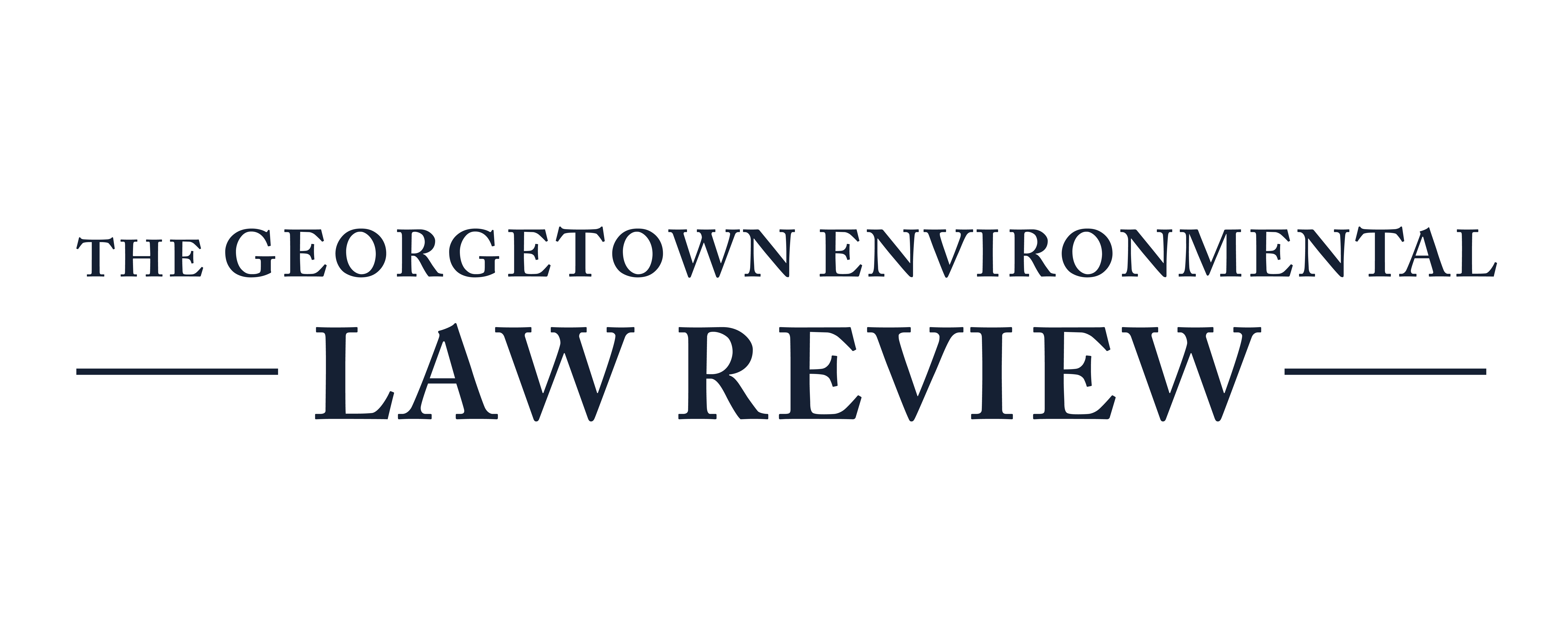
On October 1, 2020, the Environmental Protection Agency (EPA) finalized text for a final rule that proposed to change the way facilities that emit hazardous air pollutants (HAPs) are regulated under the Clean Air Act.[i] The rule, titled Reclassification of Major Sources as Area Sources Under Section 112 of the Clean Air Act, purports to implement a plain language interpretation of Section 112 of the Clean Air Act.[ii] In practical effect, the final rule provides that a “major source” can reclassify to “area source” status at any time after reducing its actual or potential hazardous air pollutants (HAP) emissions to below the major source threshold of 10 tons per year (tpy) of any single HAP and 25 tpy of any combination of HAPs.[iii] Additionally, the rule amends Clean Air Act requirements regarding compliance dates, notification, and record keeping.[iv]
 October 25, 2020
by Hyunjin Kim
Air
Chemicals
Climate change
Fossil Fuels
International
October 25, 2020
by Hyunjin Kim
Air
Chemicals
Climate change
Fossil Fuels
International
"Normal was a crisis." When we say we want to "go back to normal," do we really mean the world exactly as we left it? Or, could we use COVID as a means of building something better than what we had, perhaps greener?
 November 15, 2019
by Maxine Walters
Chemicals
Litigation
November 15, 2019
by Maxine Walters
Chemicals
Litigation
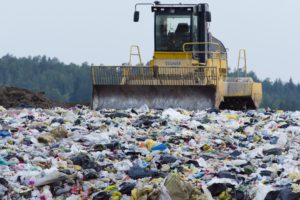
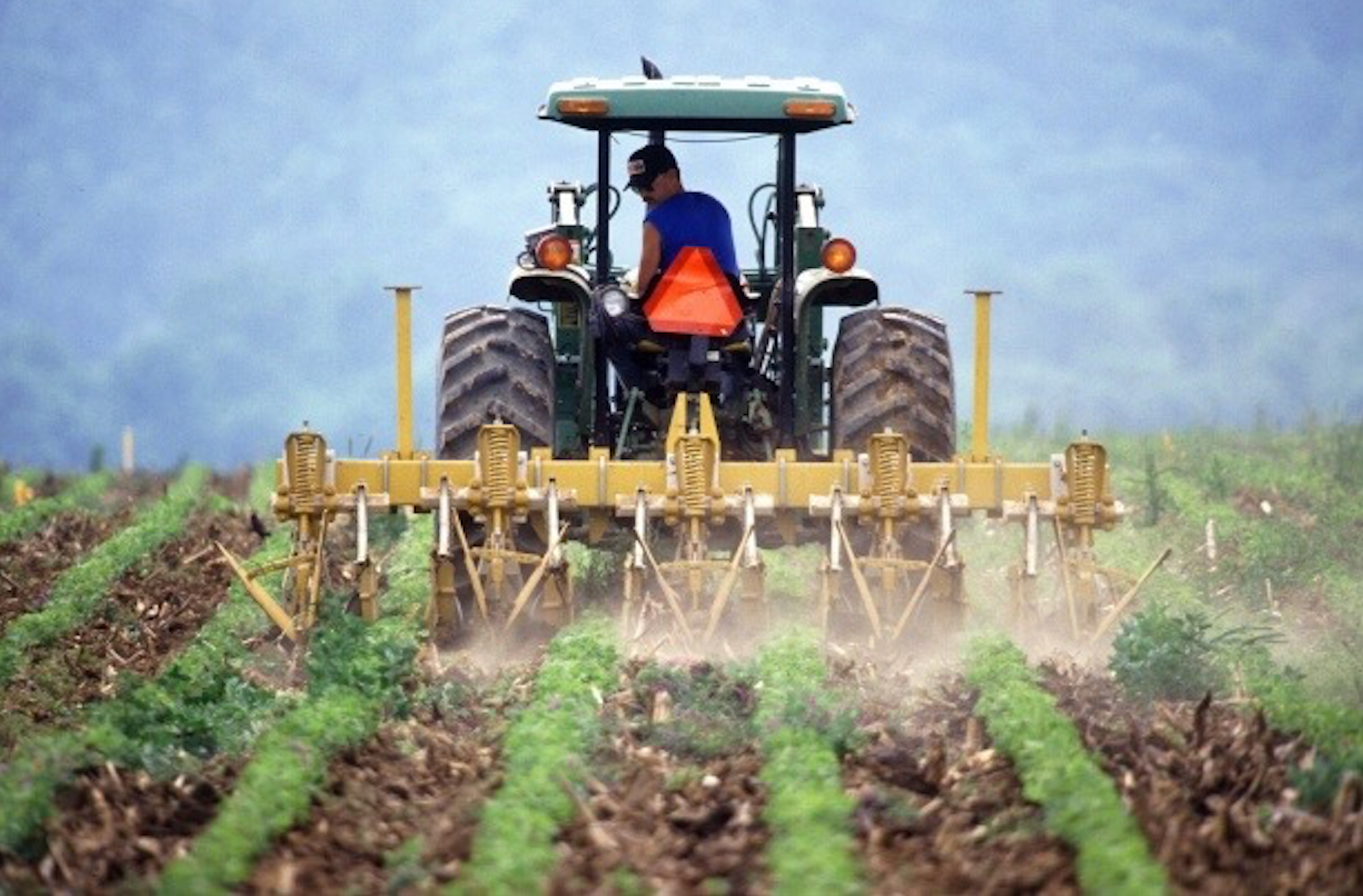
Residents in Uniontown, Alabama get a win in their battle over Arrowhead Landfill.
 November 6, 2019
by Alka Paturi
Agriculture
Chemicals
International
Regulations
November 6, 2019
by Alka Paturi
Agriculture
Chemicals
International
Regulations
Chlorpyrifos has been the subject of much regulation in recent years. With the European Union on track to ban large-scale agricultural use of chlorpyrifos, where does the EPA stand on this hazardous chemical?
 October 31, 2019
by Lauren Griffith
Chemicals
Litigation
Oceans
October 31, 2019
by Lauren Griffith
Chemicals
Litigation
Oceans
In 2018, 28.5 million people[1] set sail on one of the 314 cruise ships in the world. [2] However, most of these vacation-goers don’t think about what happens to the waste produced by these “floating cities”?[3] Especially after what is known now…
 April 27, 2019
by Sean Murphy
Chemicals
Litigation
Regulations
April 27, 2019
by Sean Murphy
Chemicals
Litigation
Regulations
Imagine the polluters in a CERCLA Superfund suit sitting in a circle playing Duck Duck Goose. That’s right—this game isn’t just for kids. CERCLA, the Superfund statute lets polluters play a similar game of liability tag in contribution actions. But is CERCLA really all fun and games?
 February 28, 2019
by Lynn Phan
Air
Chemicals
Climate change
Fossil Fuels
Litigation
February 28, 2019
by Lynn Phan
Air
Chemicals
Climate change
Fossil Fuels
Litigation
Whenever faced with the decision to declare a “healthful environment” or freedom from harmful contaminants as fundamental rights, federal courts have invariably rejected those claims.
 January 17, 2019
by Leora Friedman
Chemicals
Litigation
January 17, 2019
by Leora Friedman
Chemicals
Litigation
The Northern District of California readies to hear the U.S.’s first federal test case regarding the carcinogenicity of Monsanto’s glyphosate-containing herbicide, Roundup. Controversially, in early January 2019, Judge Chhabria granted Monsanto’s request for bifurcation—agreeing first to litigate glyphosate’s causation to the plaintiff’s cancer and, only afterward, allowing evidence of Monsanto’s alleged efforts to sway agency positions on glyphosate. But can the reliability of scientific studies be determined without considering the institutions that may have housed and/or nurtured them?
 October 4, 2018
by Jie Yang
Chemicals
Litigation
Regulations
October 4, 2018
by Jie Yang
Chemicals
Litigation
Regulations
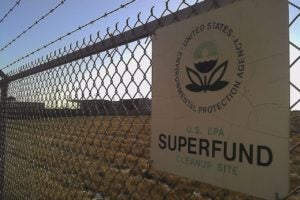
Over the summer, a big firm lawyer and a coke company’s senior executive were both convicted of bribing a former state legislator in order to prevent the EPA from listing the 35th Avenue Superfund Site located in north Birmingham, Alabama on the National Priorities List. How did this corruption happen, and what were the underlying causes?