

Our Work
Founded in 2014, the Center on Privacy & Technology is a leader at the intersection of privacy, surveillance, and civil rights.
Latest Work
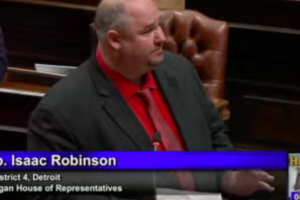
The Wright Museum Presents: Technologies of Oppression
Senior Associate Clare Garvie spoke on a panel paying tribute to the late MI State Rep. Isaac Robinson about the fight for racial justice in Detroit, hosted by the Wright Museum and Detroit Public Television, and moderated by Tawana Petty of the Detroit Community Technology Project.

CounterSpin Interview: Face Recognition and Free Speech
Senior Associate Clare Garvie was interviewed on CounterSpin about police face recognition misuse, misidentifications, and the risks to free speech and association in light of nationwide protests.
Principles to Guide COVID Response Tech
The Center joined over 80 other organizations in calling for information technologies deployed to combat the spread of COVID-19 to preserve civil rights and privacy.

DMV Searches by ICE Earn Criticism and Calls for Investigation in Utah
After The Washington Post reported the Center's research on ICE's FR searches on DMV databases in Utah and Washington, Utah Lt. Gov. Cox expressed concern and said the they would be investigating ICE's access. The Center's findings left lawmakers and civil society groups in Utah outraged.
NPR: San Francisco Bans Facial Recognition Tech
Senior Associate Clare Garvie spoke with NPR's On Point about the recent San Francisco face recognition ban and the privacy and civil liberties concerns surrounding police use of the technology.

Founding Director Delivers Chavez Lecture on Privacy and Civil Rights
Founding Director Alvaro Bedoya delivered the U.S. Senator Dennis Chavez Endowed Lecture on Law & Civil Rights at the University of New Mexico School of Law. In his lecture, he drew upon the research underlying several Color of Surveillance conferences to argue that privacy should be considered a civil right, not just a civil liberty.
Coalition Letter on Federal Privacy Conversations Calls for Centrality of Civil Rights
The Center joined 42 other digital rights and civil rights organizations calling for Congress to prioritize civil rights debates, hearings, and legislation.
The FAA Reauthorization Act of 2018
On October 5, 2018, a federal law was signed requiring privacy and racial bias assessments of the federal government's use of biometric technologies at airports—the first-ever federal law requiring artificial intelligence bias testing. The law was enacted following the Center's December 2017 report, Not Ready For Takeoff, which found privacy and bias problems in these deployments.
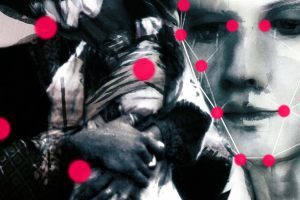
Oppression of the Future in “Safe Surrender”
Deputy Director Laura Moy responded in Slate to a new science fiction short story by Meg Elison. In her reaction, Laura reflected on the story's themes of prejudice, outright racism, and the role of government surveillance in maintaining systems of oppression.
National and Local Civil Rights Groups Urge Strong Ethical Review of Axon’s Police Technology
Following the launch of a new "artificial intelligence ethics board" at Axon, a major U.S. police technology vendor, the Privacy Center joined 41 other civil rights, racial justice, and community organizations in a letter with recommendations for how the board can uphold its ethical responsibilities when reviewing the company's products. Read the full press release.