

Our Work
Founded in 2014, the Center on Privacy & Technology is a leader at the intersection of privacy, surveillance, and civil rights.
Latest Work
New research released about DHS’ DNA collection project.
New research by the Privacy Center reveals that the “primary purpose” of the government’s DHS-driven DNA collection program is building a national DNA database for crime-solving. The report also documents the CODIS “detainee” index growing to include 3.3 million DNA profiles, reaching children, the elderly, asylum seekers, and U.S. citizens. Read more at www.raidingthegenome.org. The findings were covered by Wired and other media outlets.
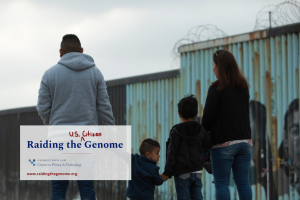
“Raiding the (U.S. Citizen) Genome” update published
The Privacy Center released new findings about who the Department of Homeland Security has been collecting DNA from. Our latest research, Raiding the (U.S. Citizen) Genome, analyzes records CBP released in response to a Privacy Center FOIA request and found that CBP has knowingly taken DNA from U.S. citizens on a regular basis, with over 2,000 samples taken from citizens between 2020 and 2024. The findings were covered by multiple news outlets including WIRED, The New York Times, The Guardian, Politico’s Morning Tech, and others. This research builds on the Privacy Center’s report Raiding the Genome: How the United States Government Is Abusing Its Immigration Powers to Amass DNA for Future Policing which explained and analyzed the drastic expansion of DNA collection at the Department of Homeland Security. DHS’s DNA collection program operates with essentially no oversight, and the DNA taken is used for future criminal policing and prosecution.
“The Department of Homeland Security Is Unlawfully Collecting DNA” article published
The Center on Privacy & Technology’s Director of Research & Advocacy Stevie Glaberson published a piece in Lawfare, "The Department of Homeland Security Is Unlawfully Collecting DNA" describing the Department of Homeland Security’s expansive and unlawful DNA collection regime. Stevie argued that the agency appears to be violating the statutory bounds of its DNA-collecting authority, is violating the constitution, and that consent of those from whom DNA is collected cannot cure these violations.
New analysis reveals Customs & Border Patrol took DNA from more than 2,000 U.S. citizens between 2020 and 2024
The Privacy Center released an update to their Raiding the Genome: How the United States Government Is Abusing Its Immigration Powers to Amass DNA for Future Policing which found that the government regularly violates federal law by knowingly taking DNA from U.S. citizens, without authority to do so. Read the full press release.
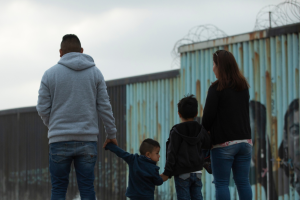
“Raiding the Genome” update published
The Privacy Center released updated findings to our 2024 report about how the Department of Homeland Security’s has become the primary contributor of DNA samples to a national criminal database. One year after publishing “Raiding the Genome,” we shared new information about the continued growth of the DNA database, the pace at which it is growing, and whose DNA is being taken for that database.
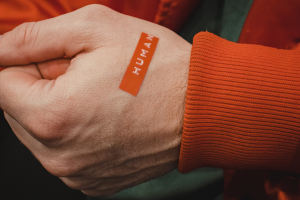
“A crypto coin for your privacy — how Altman promises the world in exchange for your biometric data” blog
"The political imagination of our elites raises the slogan “humanity first” only to display a barren concept of what it means to be human: to be a user, a consumer, and a source of data extraction." Our Fritz Fellow Dr. Marianna Poyares writes for our blog about Altman and Blania's World project and their Tools for Humanity retina scanning enterprise. Read the whole blog here.

“Global Landscapes on Data Privacy: The Brazilian National Authority on Data Protection” event hosted by the Privacy Center
From banning Sam Altman’s “Tools for Humanity” iris-scanning crypto project, to stopping Meta from mining user data for training AI, Brazil has been a global trailblazer in issues of privacy and data protection. On April 24, the Director of the Brazilian National Authority for Data Protection, Professor Iagê Miola, joined us for a conversation about the hemispheric landscapes of data protection. Dr. Marianna Poyares, Postdoc Fritz Fellow at the Center on Privacy & Technology at Georgetown Law moderated.

Privacy Center quoted in NBC4 piece on NIH plans to build database
Associate Emerald Tse was featured in an NBC4 piece about the NIH's plans to build a database of federal and commercial health records. "We know that health information is incredibly sensitive," Tse said. "When people go to their healthcare provider, they're giving up that information because they have to in order to receive a service."
“Bankrupt Genetic Data: Minimizing and Privacy-Protecting Data from the Start” blog
After 23andMe filed for bankruptcy, a judge granted the genetic testing company permission to sell its data on more than 15 million customers. Distinguished Fellow Justin Sherman wrote a blog post on our site detailing what steps companies and policymakers can and should do to mitigate the risks from potential bankruptcy-data fallouts. Read the whole bl0g here.
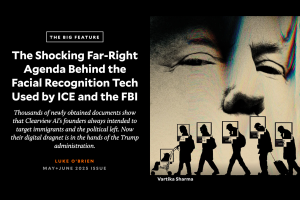
Privacy Center quoted in Mother Jones piece about ICE and FBI use of face recognition at the border
Executive Director Emily Tucker was quoted in a Mother Jones article detailing how ICE and the FBI are using Clearview AI tech for facial recognition at the border. “All of the evidence we have is that [Clearview] is a corporation that cares not at all about civil rights and that their founders have a potentially ideological agenda inconsistent with democracy,” Tucker said.