Faculty Directory

Professor of Law
Lama Abu-Odeh
L.L.B., University of Jordan; LL.M., University of Bristol; M.A., University of York; S.J.D., Harvard
Learn MoreAreas of Expertise:
Areas of Expertise:
Professor of Law
Stephanie Barclay
B.S., Brigham Young University–Idaho; J.D., J. Reuben Clark Law School, Brigham Young University; D.Phil (Law), University of Oxford
Learn MoreAreas of Expertise:
Patrick Hotung Professor of Constitutional Law
Randy E. Barnett
B.A., Northwestern; J.D., Harvard
Learn MoreAreas of Expertise:
Professor of Law; Robert L. McDevitt, K.S.G., K.C.H.S. and Catherine H. McDevitt L.C.H.S. Chair, Department of Computer Science
Matt Blaze
B.S., City University of New York (Hunter College); M.S., Columbia; M.A., Princeton; Ph.D., Princeton
Learn MoreAreas of Expertise:
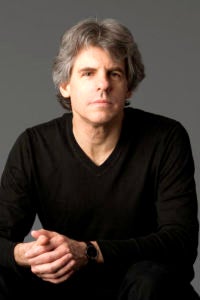
Carmack Waterhouse Professor of Health Law, Policy, and Ethics; Co-Director, Georgetown-Johns Hopkins Joint Program in Law and Public Health
M. Gregg Bloche
B.A., Columbia; J.D., Yale; M.D., Yale
Learn MoreAreas of Expertise:

Professor of Law, Legal Practice
Sonya G. Bonneau
B.A., Cornell; J.D., University of California Berkeley
Learn MoreAreas of Expertise:
Arts and Entertainment, Copyright, Legal Research and Writing

Associate Dean for Centers and Institutes; The Scott K. Ginsburg Professor of Law and Policy
Rosa Brooks
A.B., Harvard; M.St., Oxford; J.D., Yale
Learn MoreAreas of Expertise:
Human Rights Law, International Law, National Security, Military, War and Peace

Martin D. Ginsburg Chair in Taxation; Professor of Law
Dorothy Brown
B.S., Fordham University; J.D., Georgetown University Law Center; LL.M., New York University School of Law
Learn MoreAreas of Expertise: